Exploring Drummondville's Historic Heart: Buildings That Tell a Story

What stories do Drummondville's oldest buildings tell us?
Drummondville, a vibrant hub in the Centre-du-Québec region, boasts a rich past often visible in its enduring architecture. Beyond its modern facade and bustling commercial centers, you'll find structures that whisper tales of early settlers, industrial booms, and community spirit. This guide will walk you through some of the city's most significant historical buildings, helping you appreciate the craftsmanship and the human stories embedded in their foundations.
Understanding these architectural landmarks provides a deeper connection to Drummondville's identity. From grand public institutions to quaint residential homes, each building contributes to the collective memory of our city. We’ll uncover their origins, highlight their unique features, and suggest how you can experience this living history firsthand – whether through a self-guided stroll or by diving into local archives.
Where can you find Drummondville's most notable heritage architecture?
Our city's historical tapestry isn't confined to a single district; it’s woven throughout. However, several key areas and individual structures stand out. One prime example is the Old Parish Church of Saint-Frédéric (Vieille Église Saint-Frédéric), a cornerstone of Drummondville's religious and social life for over a century. Though no longer a functioning parish church, its imposing stone structure and Gothic Revival elements make it an undeniable landmark. Completed in 1883, it replaced an earlier wooden church and has witnessed countless civic events and personal milestones.
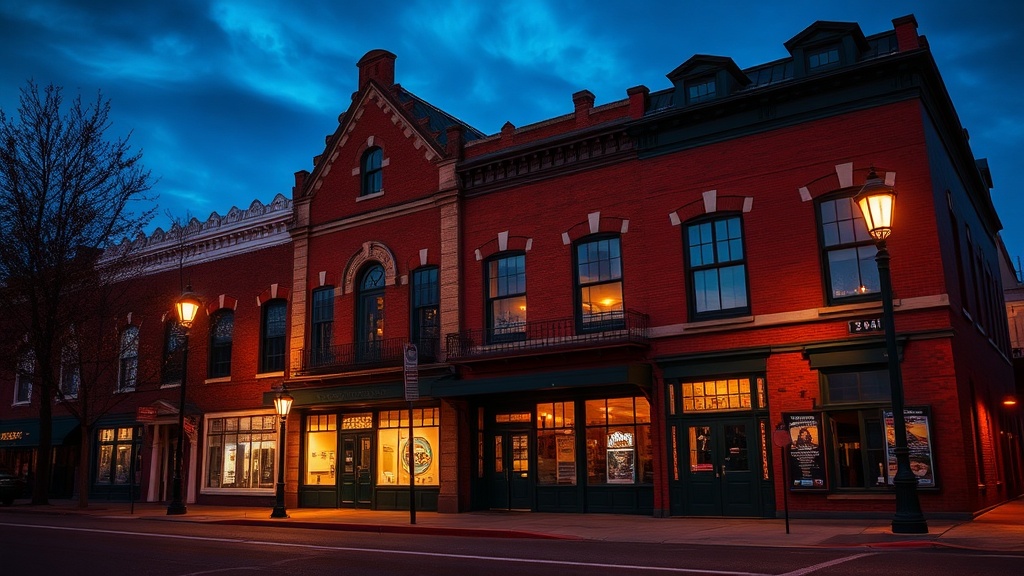
Another significant site is the area around Hériot Street and Lindsay Street. This intersection, particularly near the Saint-Frédéric Basilica, showcases a collection of well-preserved commercial and residential buildings from the late 19th and early 20th centuries. Look for intricate brickwork, decorative cornices, and detailed window frames that speak to the architectural trends of their time. Many of these buildings now house independent boutiques, cafes, and professional offices, giving them a renewed purpose while retaining their historical charm.
Further afield, the Maison des Arts Desjardins Drummondville, while a contemporary cultural center, stands on grounds with historical significance, often hosting exhibitions that reflect the city’s heritage. The surrounding residential streets also reveal beautiful examples of Victorian and Edwardian homes, characterized by their varied rooflines, bay windows, and welcoming front porches – perfect for imagining life in Drummondville's formative years.
The Role of Local Institutions in Preserving History
Local historical societies play an immense role in cataloging and preserving these treasures. The Société d'histoire de Drummond, for example, is a fantastic resource, offering insights into the city’s past through its archives and publications. They often organize walking tours or present lectures that enrich our understanding of these structures. Engaging with these groups is one of the best ways to uncover hidden narratives and appreciate the depth of Drummondville's heritage. Their dedication ensures that these stories continue to be told for generations to come. You can often find information on their current projects and resources by visiting their local offices or website.